Sound Health Alliance
Music + Health
Music plays a significant role in supporting our physical, emotional, cognitive, and social well-being, whether through daily listening, community music programs, or clinical care. Our engagement with music is shaped by our needs, preferences, culture, and life experiences, and its role in our lives can change over time.
Music + Everyday
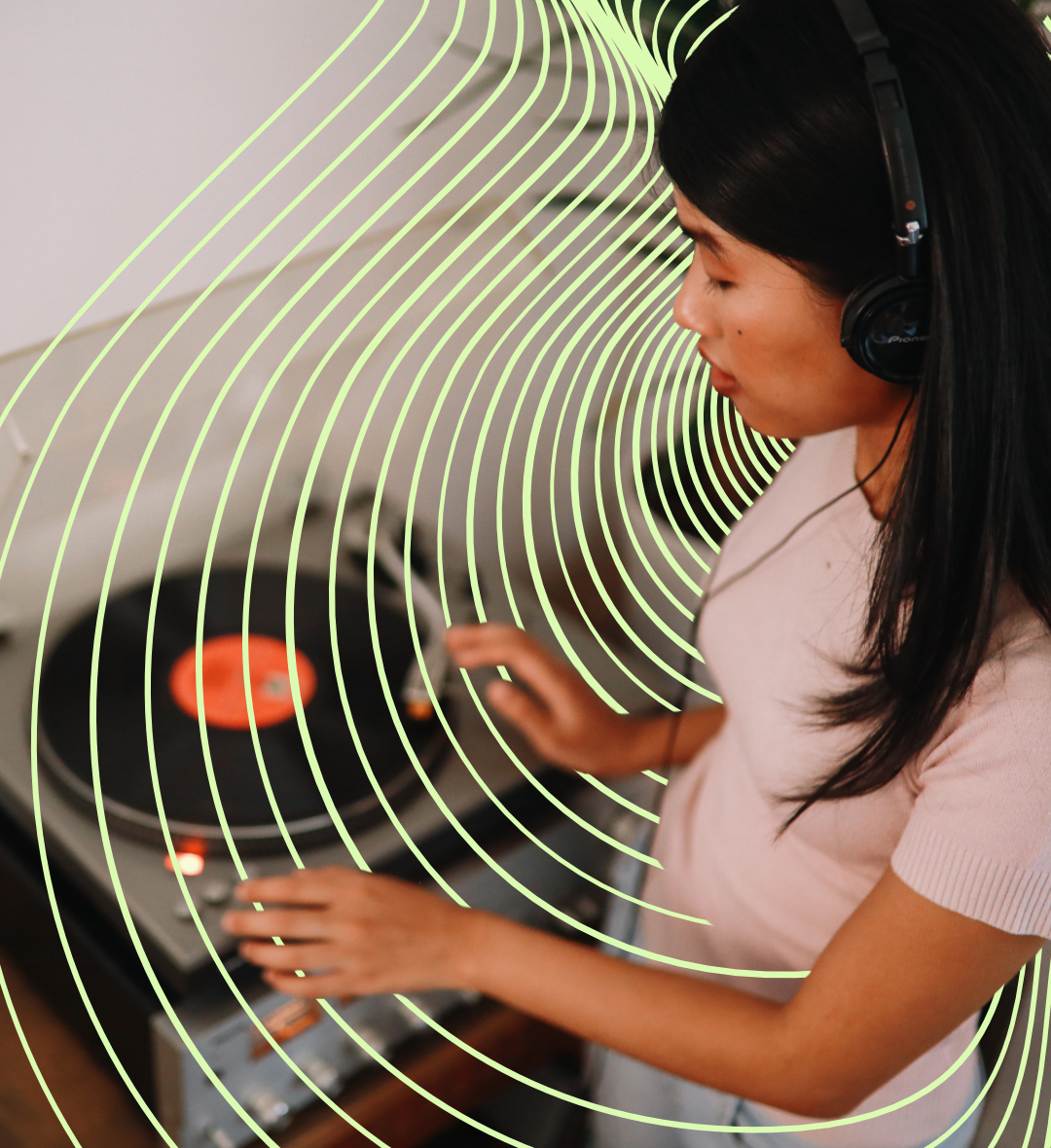
Listening, singing, or moving to music can lift mood, ease stress, provide comfort, and energize daily life.
Music + Creating
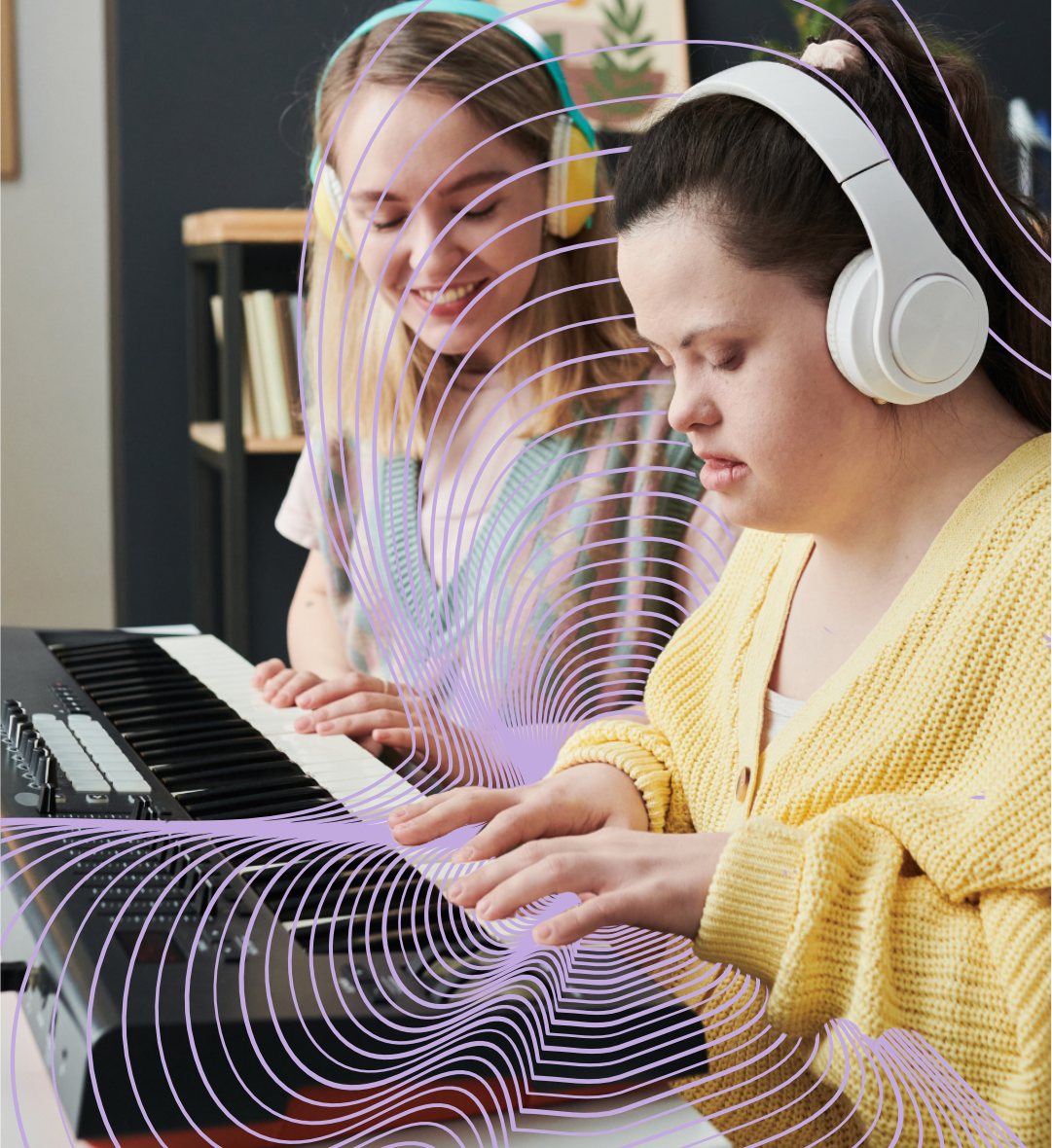
Singing, playing instruments, or creating music can spark creativity, build confidence, and encourage self-expression.
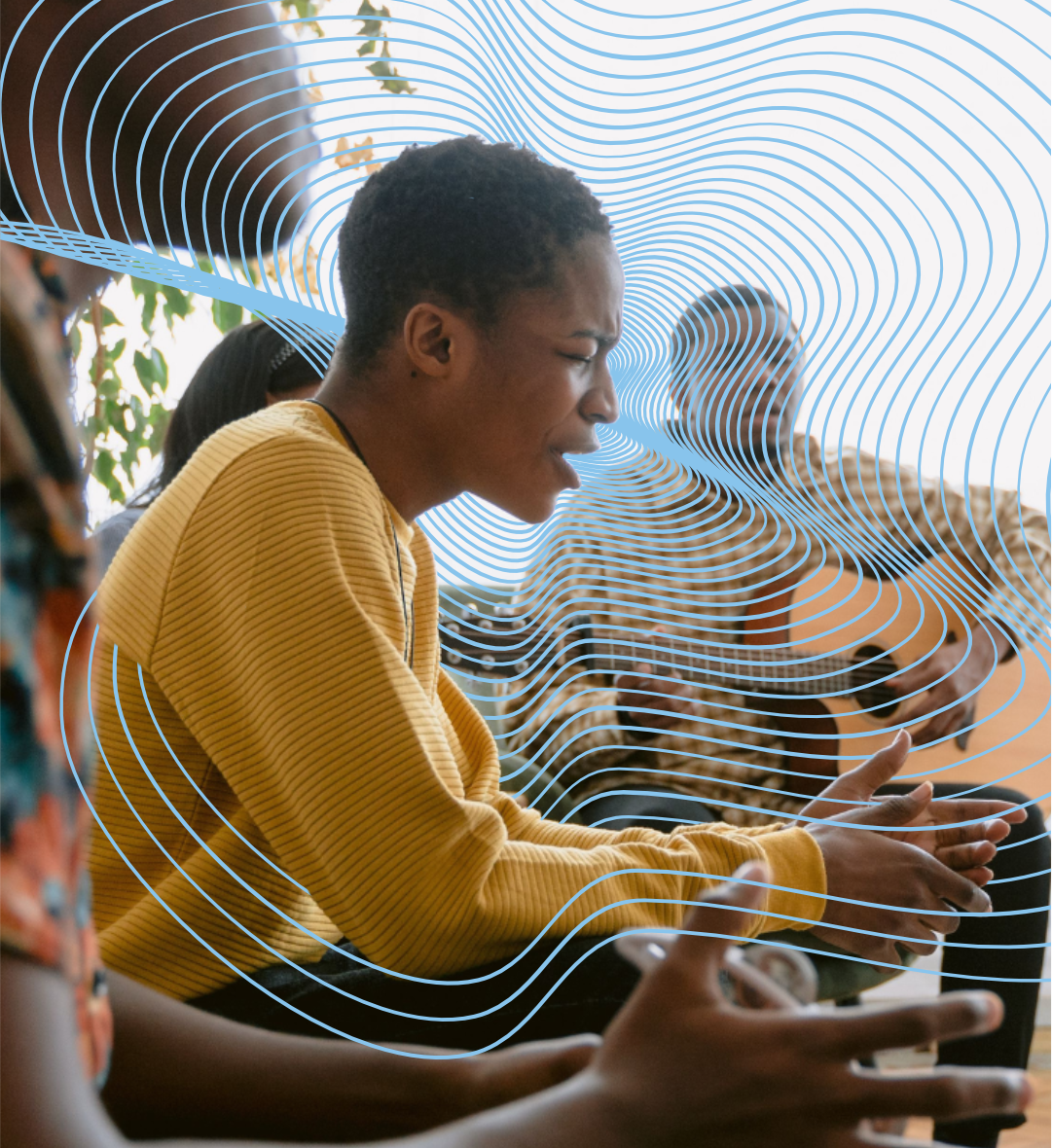
Music + Community
Choirs, concerts, and community music programs strengthen relationships, foster belonging, and create shared experiences.
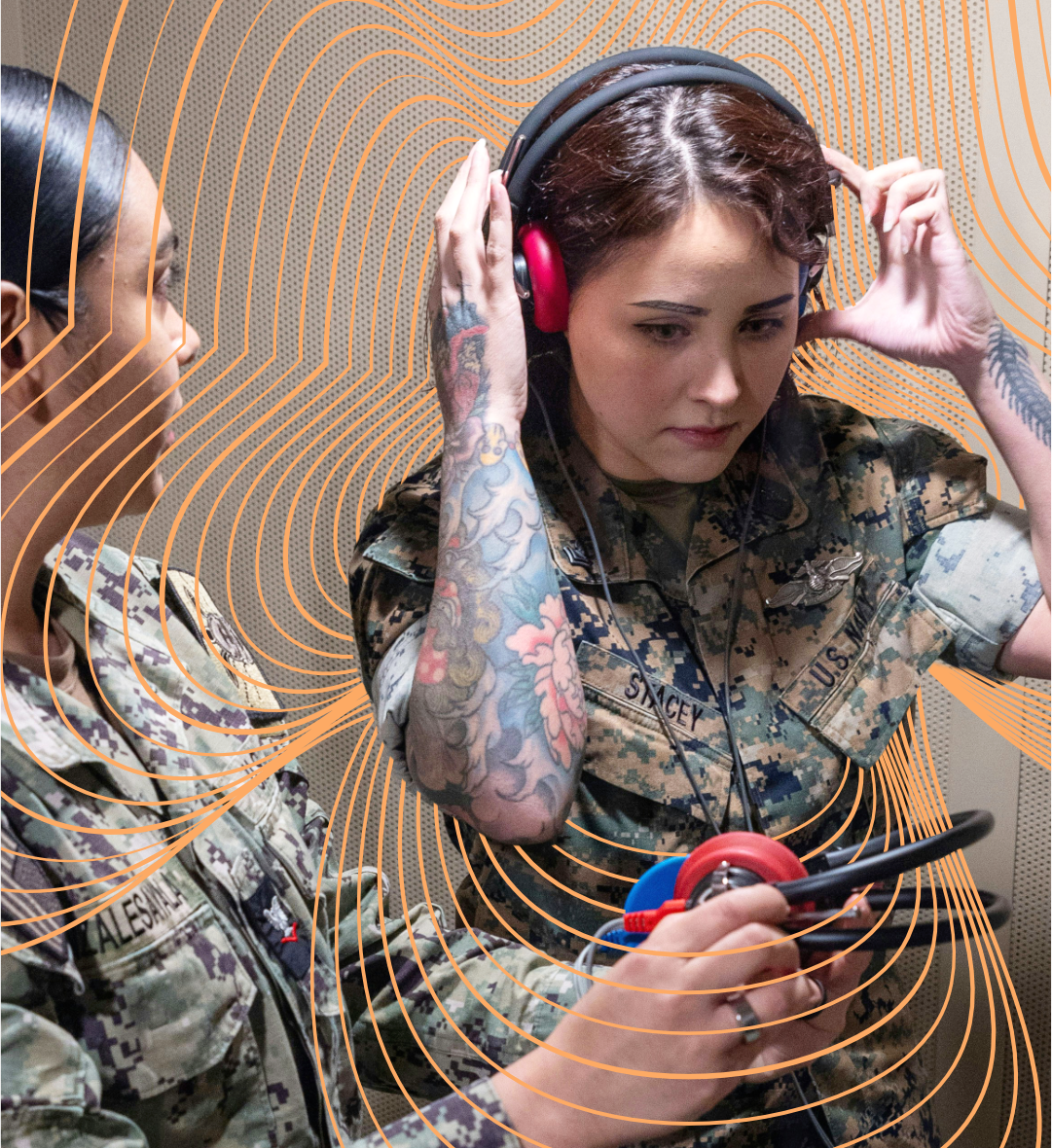
Music + Healthcare
Music-based interventions, particularly those led by board-certified music therapists, can advance treatment goals, ease symptoms, aid rehabilitation, & enhance quality of life.
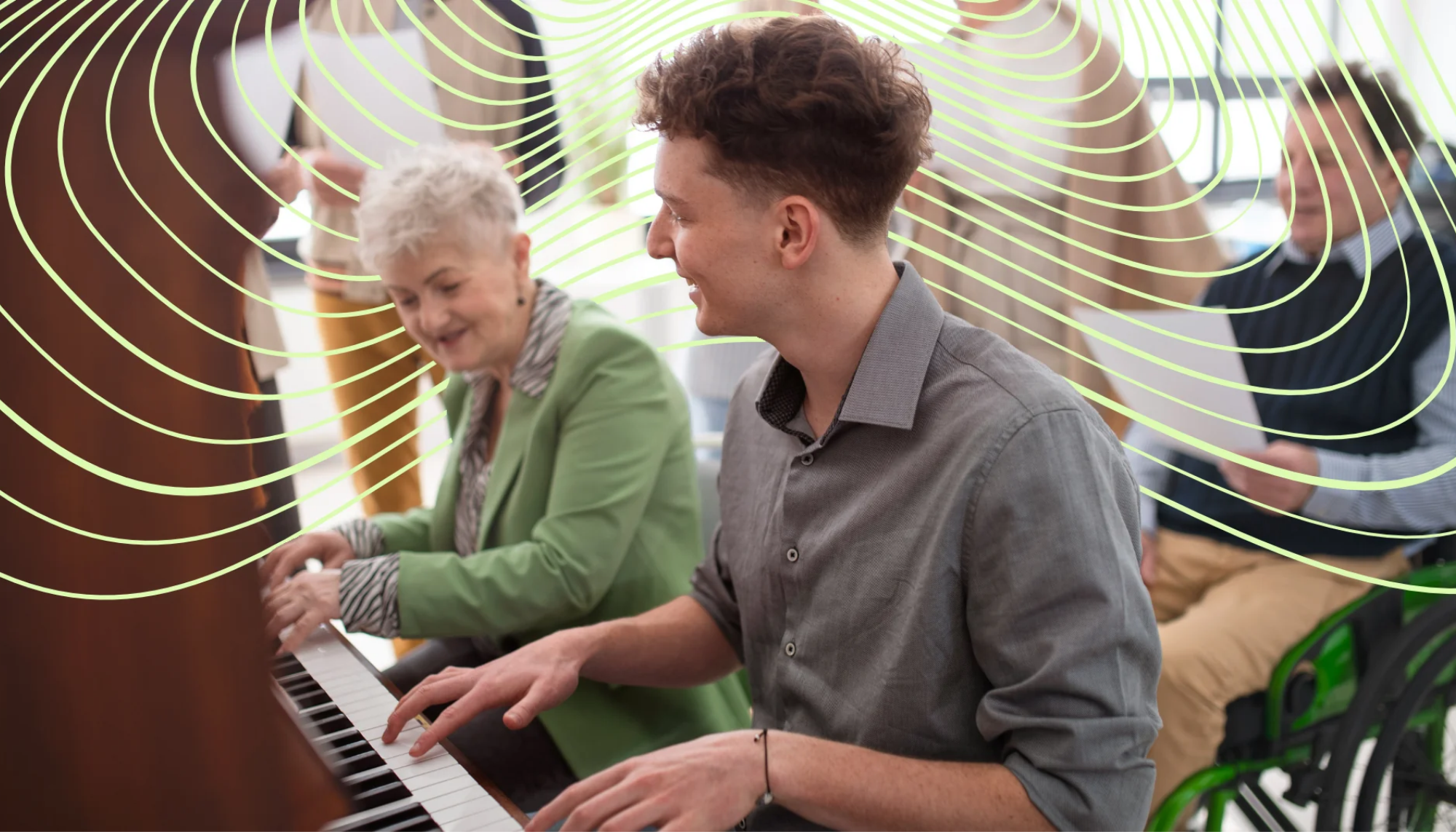
NOW PLAYING
Sound Health Alliance
We’re working toward a future in which music is better understood and supported across health care, education, workforce development, and community life.
Most of us have felt music’s effect on our mood, memories, or sense of connection. But finding reliable information about how music can support health and putting that knowledge to use can be difficult.
The Sound Health Alliance promotes research, expands public awareness, and shares resources at the intersection of music and health. We make it possible for individuals, organizations, and communities to work together and turn knowledge into action.
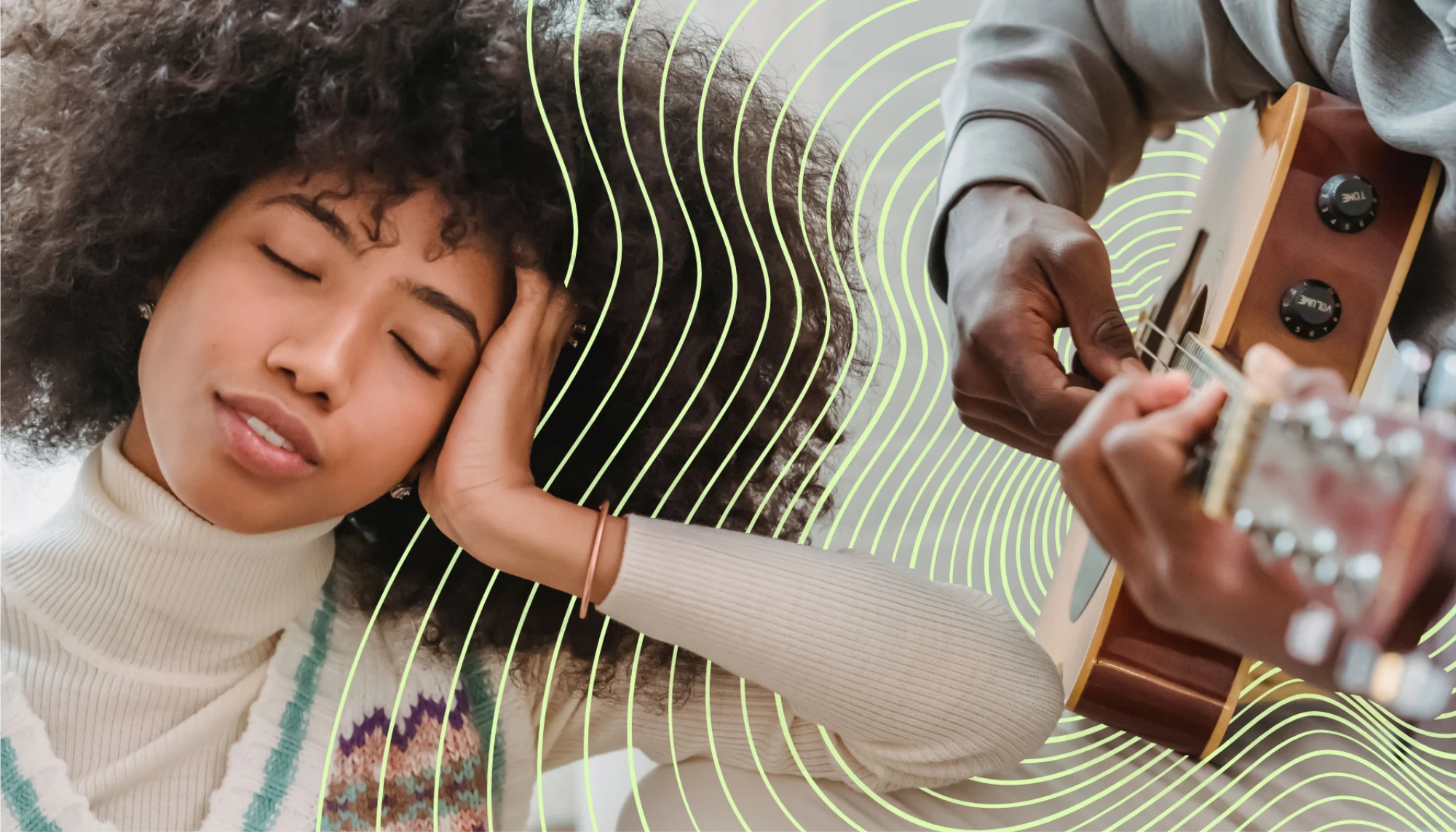
HEAR THIS
Your Brain
on Music
The science behind the sound
A beat can prompt movement, a melody can bring a memory to mind, and singing with others can create a sense of closeness. These experiences involve brain systems that also support functions such as moving, communicating, learning, feeling, and remembering. Music therapists draw on these same systems in clinical care.
FEATURING
From the Field
-

Economic Impact of Music Engagement
ALZHEIMER'S + DEMENTIA
When words become harder to find, music may offer people living with Alzheimer’s another way to express themselves and connect with others. This analysis translates those benefits into economic value to inform healthcare investment and policy.
-

Songwriting for Cancer Survivors
ONCOLOGY
Building on research showing that music therapy can reduce anxiety in cancer survivors, Drexel researchers explored how therapeutic songwriting can help people express emotions, navigate relationships, strengthen their sense of self, and cope with everyday challenges.
-
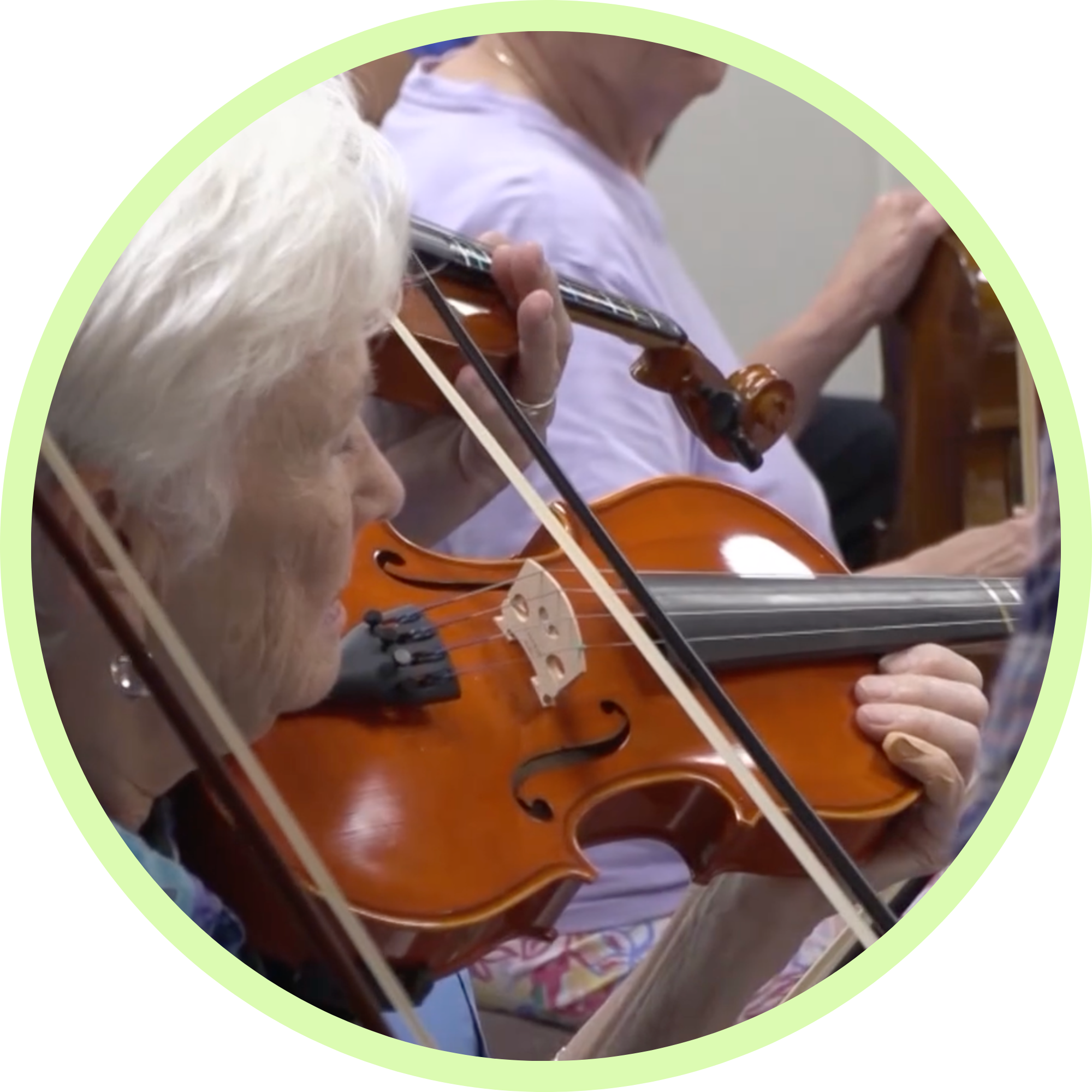
Music’s Impact as We Age
CREATIVE AGING
In Lexington, older adults are learning to play instruments through a partnership with the Lexington Philharmonic, the University of Kentucky, and the city. Older adults can learn to play musical instruments at any age, benefiting brain health, memory, and emotional well-being.
-
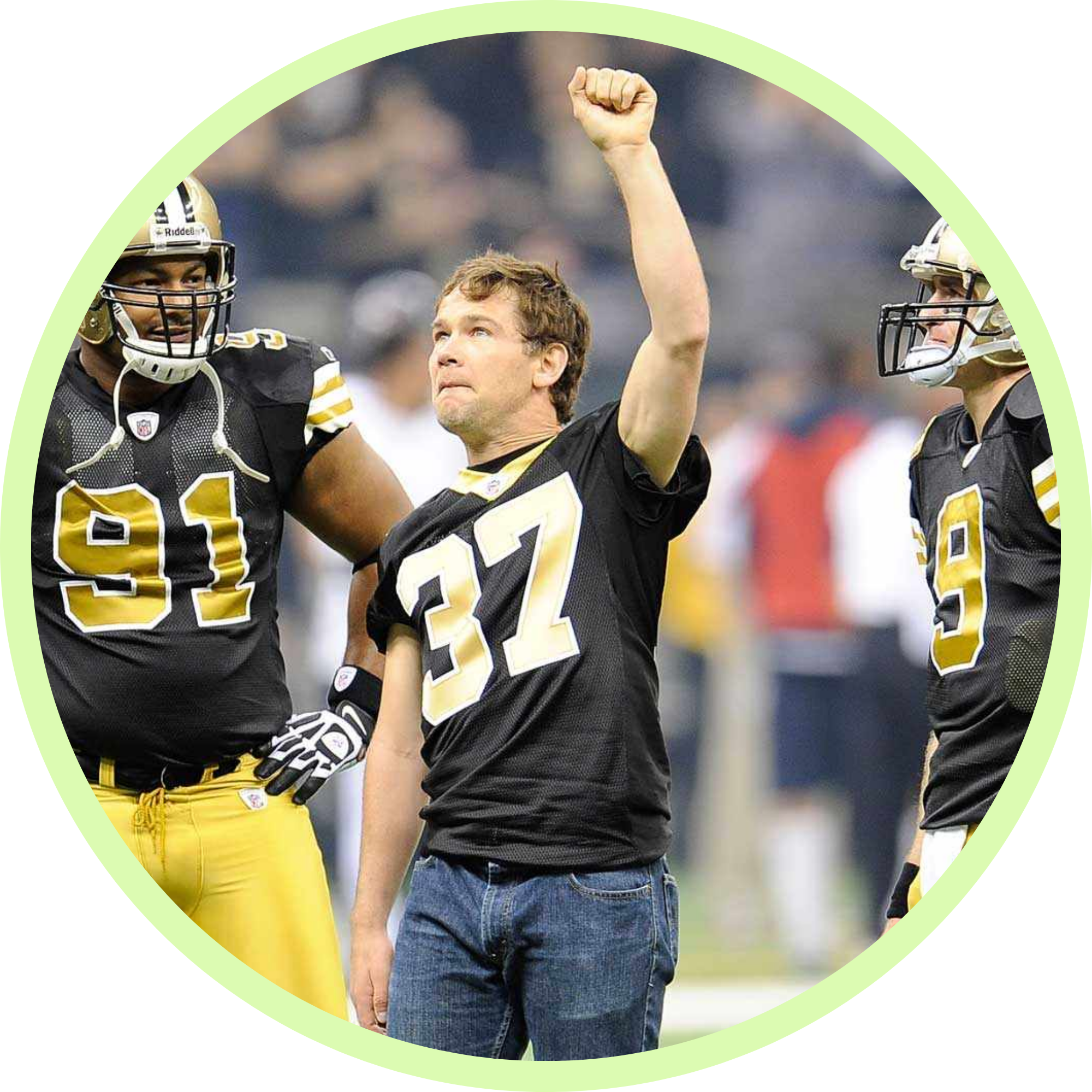
Communication Tech Innovations
ASSISTIVE TECHNOLOGY
Living with ALS, former New Orleans Saints player Steve Gleason uses technology-assisted songwriting to communicate and express emotions. His project, REBIRTH, shows how music can help when speech is no longer possible.
-
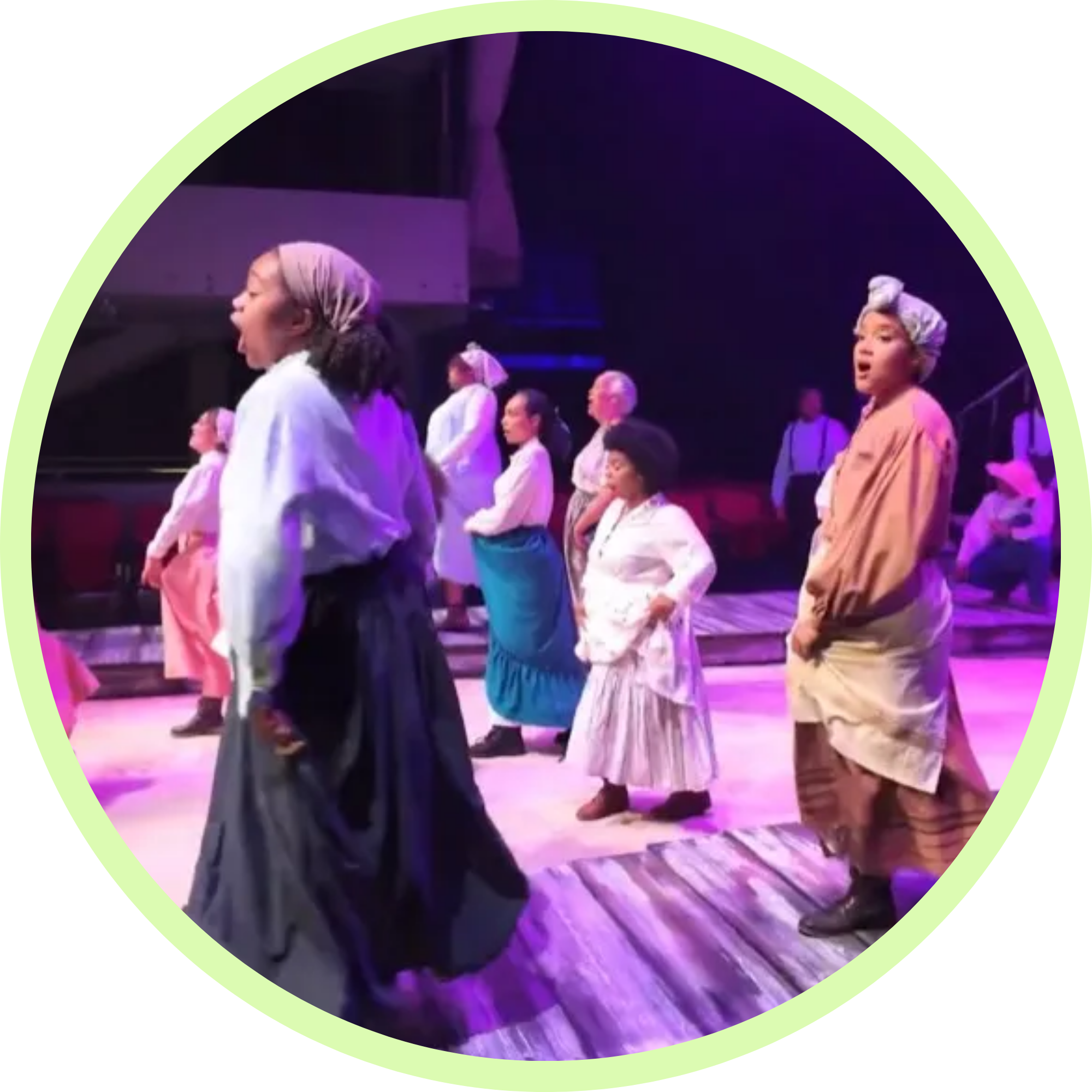
Healing with Harmony
HEALTH CARE PROFESSIONALS
The AdventHealth and Opera Orlando bring together more than 70 physicians, nurses, and other team members to make music, foster connection, and support well-being. They also perform for audiences, sharing the gift of the music they create together.
-
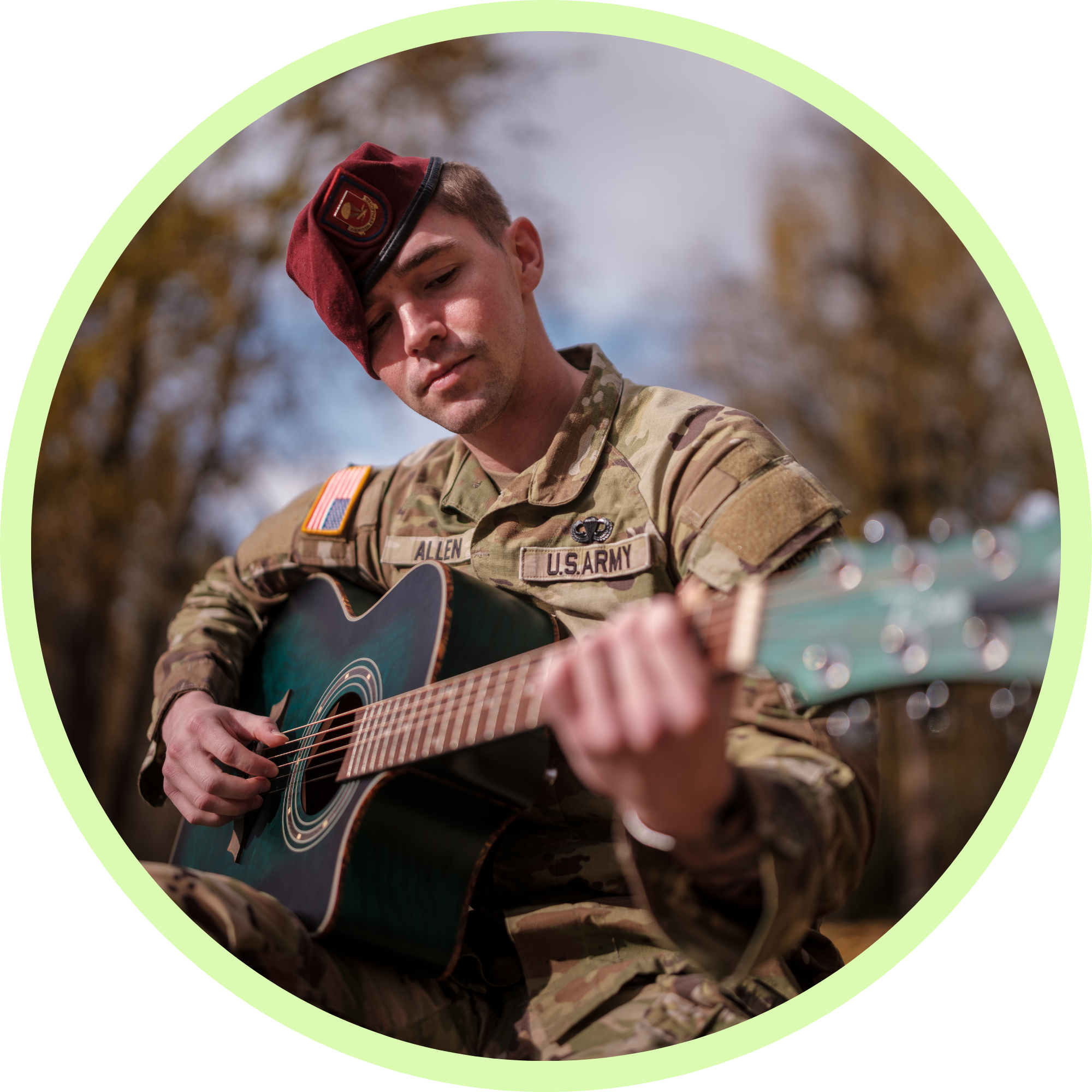
Music Therapy for Trauma
MILITARY
Therapeutic music experiences can help process difficult experiences, express emotions, build connections, and support recovery. Discover how Creative Forces: NEA Military Healing Arts Network and Project: Music Heals Us are using music to support military communities.
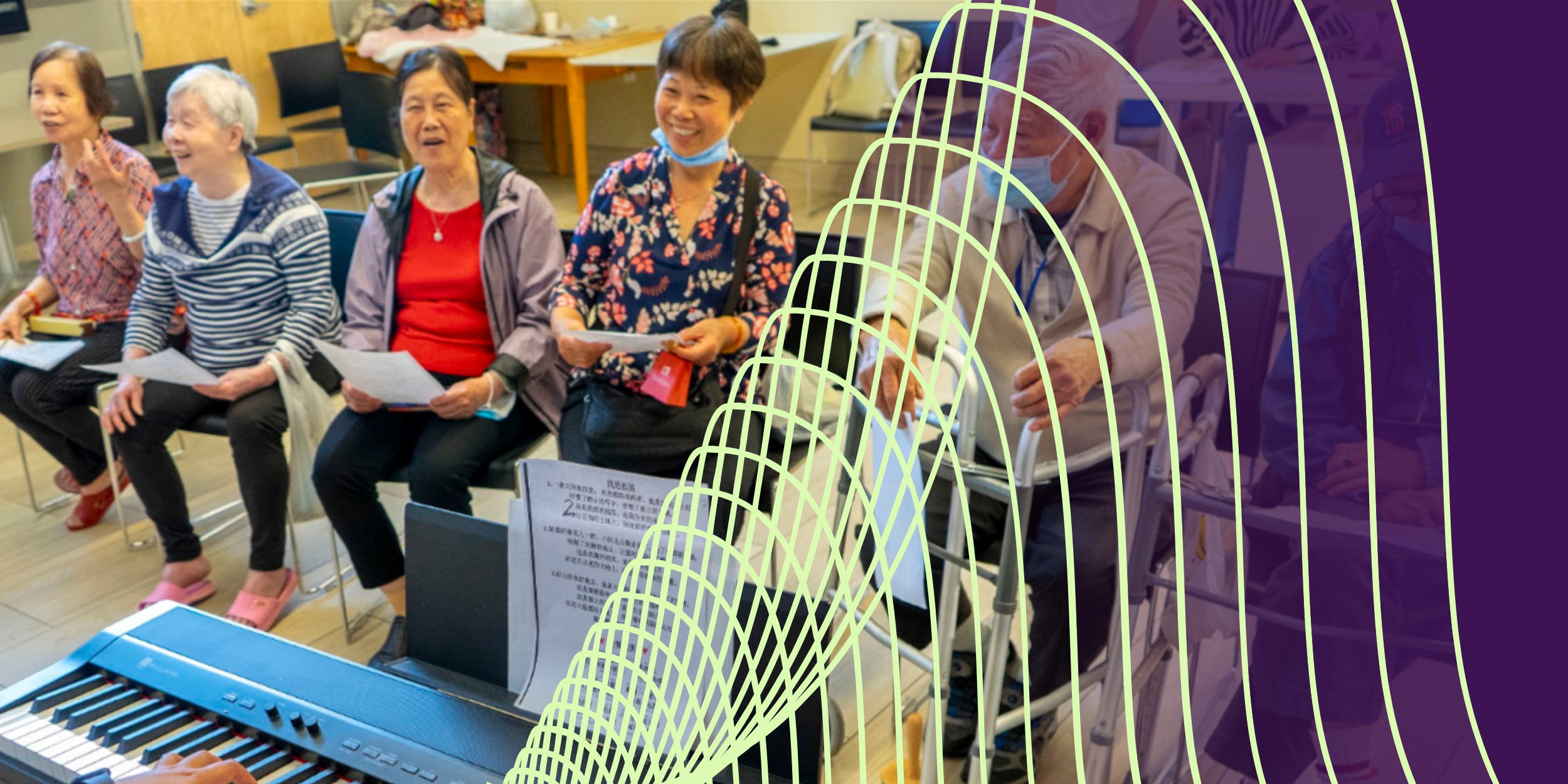
Singing makes me happy…

It lifts my mood and keeps me from feeling depressed. It helps me handle things better in life and improve my quality of living. Plus, I get to know more people, and we all feel joyful together.“
Mai H.
Music Therapy participant
Greater Boston Chinatown Golden Age Center
Events
The Power of Music
The Power of Us
Nov 9, 2026
CUNY Graduate Center, New York
A free symposium on music, brain health, and healing presented by Rhythm & Relief, featuring Berklee Music and Health Institute Director Joy Allen.
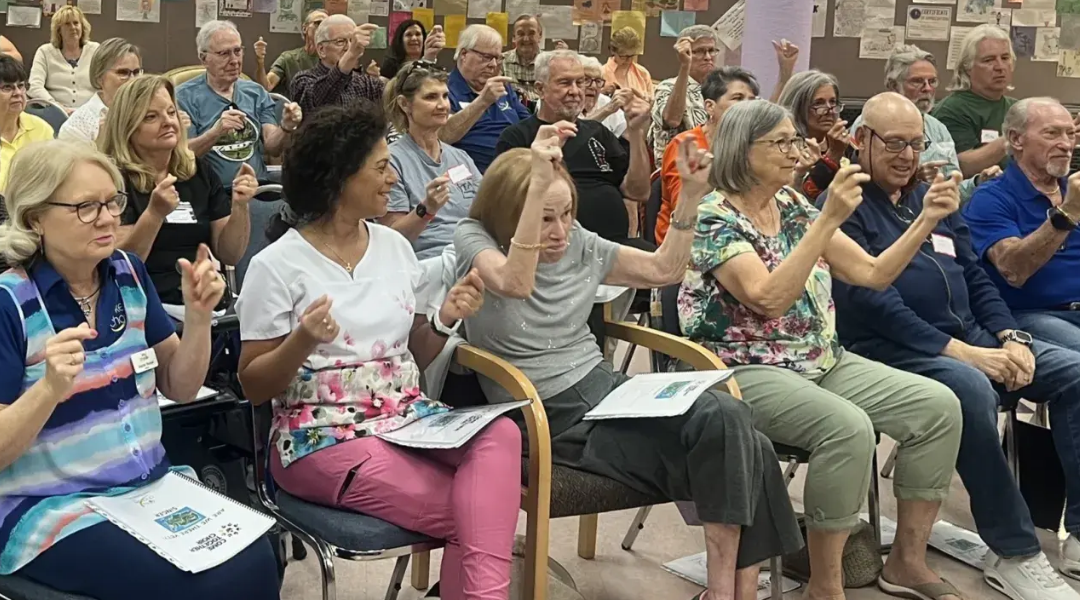
Parkinson’s Choirs:
Building Community Through Music
Nov 19, 2026 02:00 PM
(virtual)
In partnership with Chorus America, learn practical strategies for starting, leading, and sustaining Parkinson’s choirs in your community.
► REGISTER